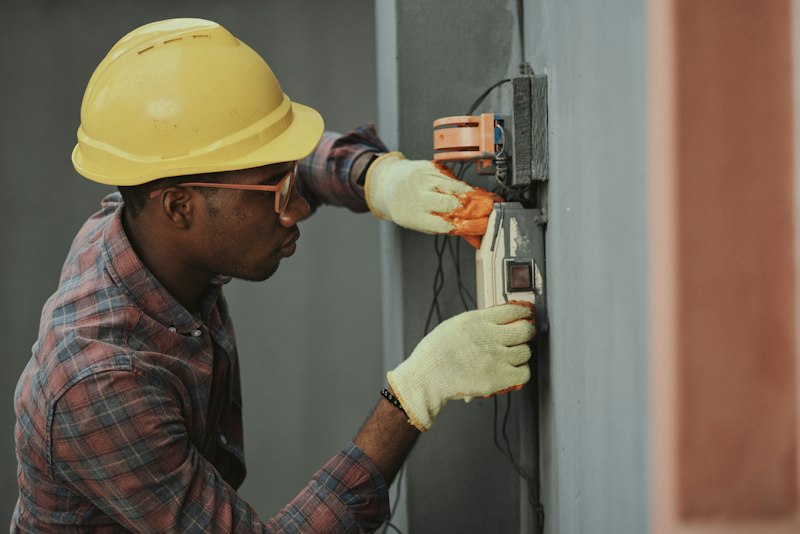
If your submersible pump fails to start, the problem is usually electrical or mechanical. Here's a systematic diagnostic guide.
When a submersible pump refuses to start, work through these causes systematically:
1. No Power Supply
Check the power cord, circuit breaker, and fuse. Use a multimeter to verify voltage at the pump terminals.
2. Faulty Float Switch
If the pump uses a float switch for automatic operation, the switch may be stuck or faulty. Bypass it temporarily to test.
3. Thermal Overload Protection Triggered
Most pumps have built-in thermal protection. If the motor overheated, it will shut down and reset after cooling (usually 20–30 minutes).
4. Capacitor Failure
Single-phase motors use a start/run capacitor. A failed capacitor prevents the motor from starting. Replace with the same rated capacitor.
5. Seized Impeller
Debris can jam the impeller. Remove the pump, clean the impeller chamber, and check for free rotation.
6. Burned Motor Windings
Use a multimeter to check winding resistance. Open circuit or very low resistance indicates a burned motor requiring replacement.
7. Incorrect Voltage
Ensure the supply voltage matches the pump's rated voltage (±10%). Low voltage causes motor failure.